iPhone Apple iPhone 18 Event: iPhone Duo, iPhone 18 Pro, AI and Everything Apple Announced
Apple's September event has come and gone, and this was not just another iPhone refresh.
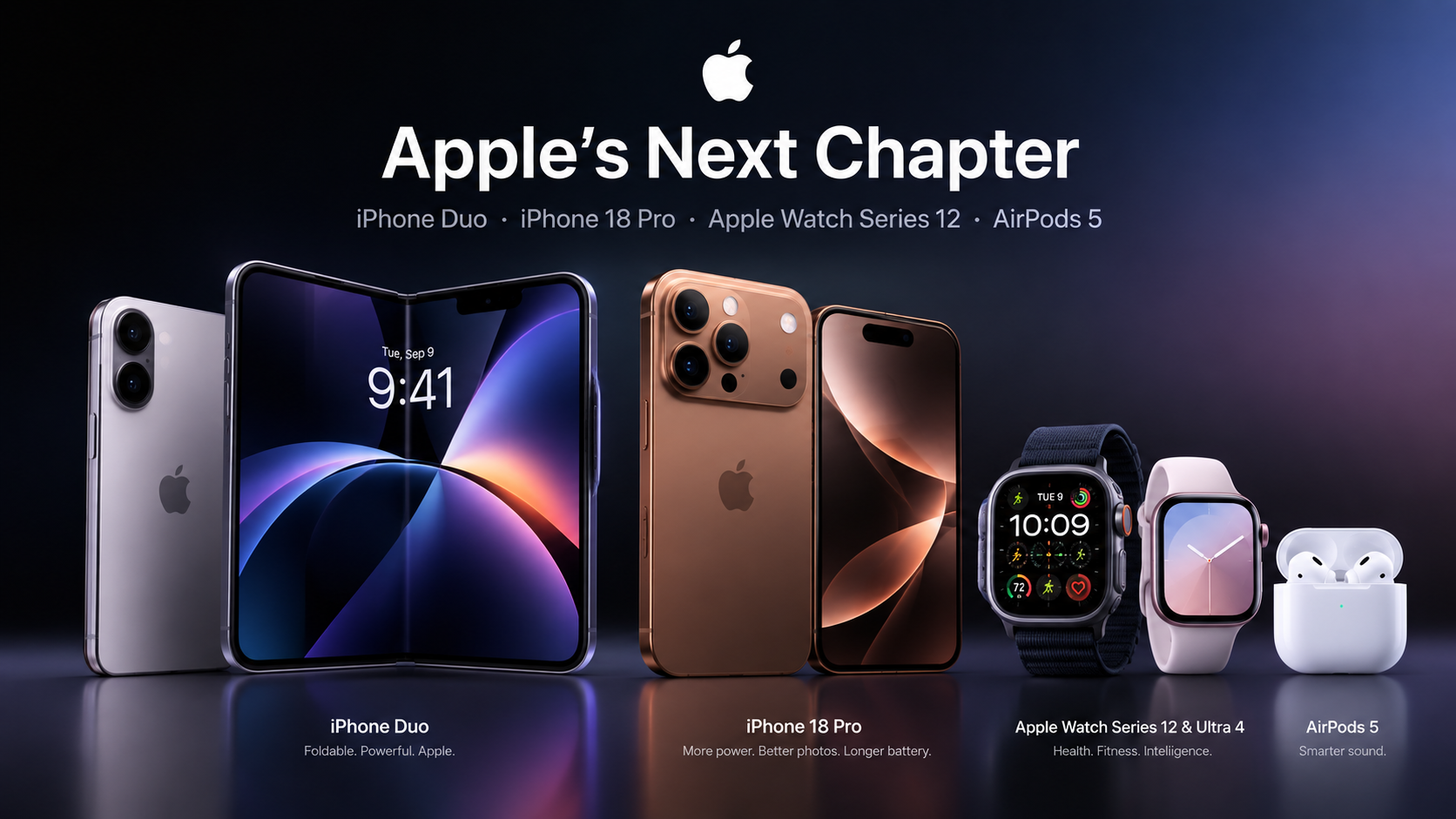
The company used its September 9 event to introduce its first-ever foldable iPhone, launch the new iPhone 18 Pro and iPhone 18 Pro Max, push its AI ambitions further, and update the Apple Watch and AirPods lineup.
But there was one announcement that immediately took most of the attention: Apple finally made a foldable iPhone.
After years of watching Samsung and other smartphone makers build around foldable screens, Apple has officially joined the category with the new iPhone Duo.
And Apple being Apple, it is entering the market with a very different approach.
iPhone Duo is Apple's first foldable iPhone.
The biggest announcement of the event was the iPhone Duo, Apple's first foldable smartphone.
When closed, the Duo has a 5.4-inch outer display. Open it up and it becomes a much larger 7.6-inch screen, giving users a phone that can essentially transform into a small tablet. Apple says it is also the thinnest iPhone it has made when opened.
The idea is simple: carry a normal-sized phone in your pocket, but have a much bigger display available when you need it.
That larger screen is designed for watching videos, gaming, reading and multitasking. Apple has also redesigned iOS to take advantage of the foldable display.
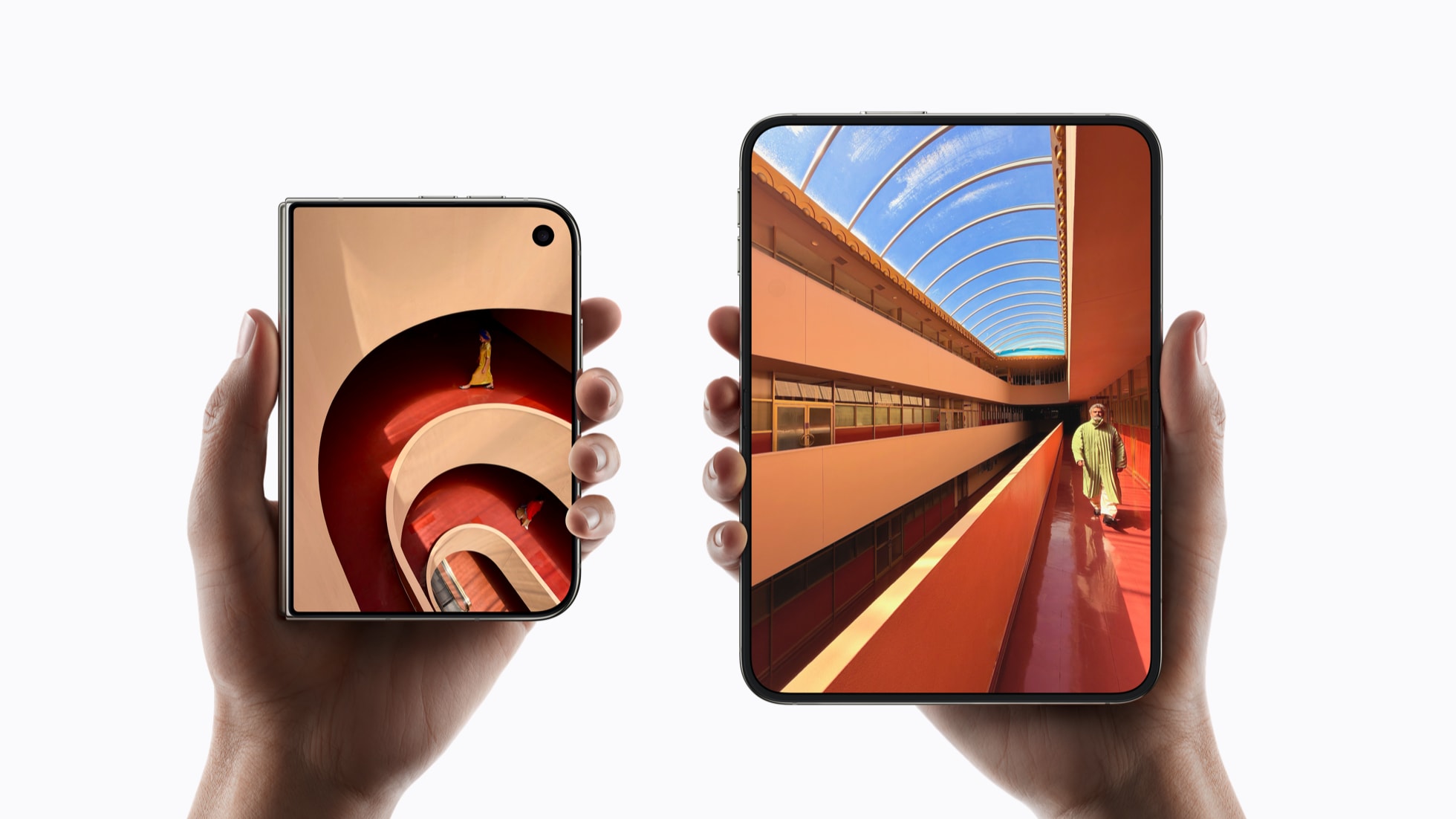
The Duo runs on Apple's new A20 Pro chip and uses a custom cooling system and dual-battery architecture. It also supports Apple Pencil, making the device more useful for people who want to do more than simply browse social media or take photos.
The price, however, puts it firmly in the premium category.
The iPhone Duo starts at $1,999.
That's a lot of money for a phone, but Apple isn't really positioning this as an ordinary iPhone. It is effectively selling a phone and a larger-screen experience in one device.
And that could be Apple's biggest bet of the year.
The iPhone 18 Pro is all about cameras and performance
Alongside the foldable, Apple introduced the iPhone 18 Pro and iPhone 18 Pro Max.
The camera system received one of the most interesting upgrades.
Apple has added a variable-aperture 48MP Fusion Main camera, giving users more control over how much light enters the lens. The system can adjust the aperture depending on the shooting situation, which can help with low-light photography and depth of field.
For creators, this is probably one of the upgrades worth paying attention to.
Apple has also introduced new Pro controls inside the Camera app, giving users more control over how they capture images and video.
The Pro models are powered by the A20 Pro chip, paired with a new vapor-chamber cooling system designed to maintain performance for longer periods.
The iPhone 18 Pro starts at $1,199, while the iPhone 18 Pro Max starts at $1,299.
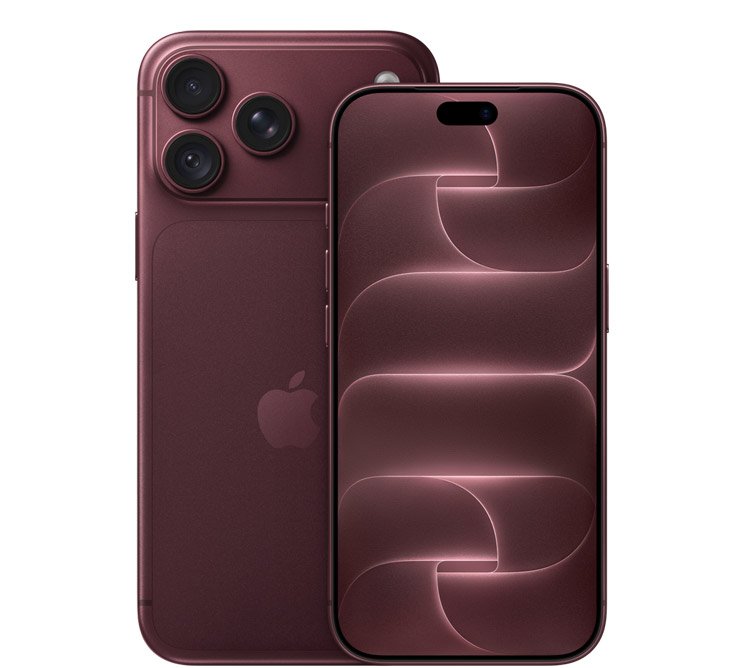
The Pro Max also gets Apple's biggest battery-life improvement ever on an iPhone, according to the company.
For people who use their phones heavily for video, photography, gaming or editing, that combination of camera improvements, sustained performance and battery life could make the Pro Max particularly interesting.
Apple is making AI a bigger part of the iPhone
AI was another major part of Apple's presentation.
Rather than presenting AI as a separate product, Apple is continuing to build it into the everyday experience of its devices.
The new iPhone 18 Pro models bring Apple's latest AI capabilities alongside the A20 Pro chip, while Siri is also getting smarter and more context-aware.
Apple's approach continues to put a lot of emphasis on privacy, with Apple Intelligence designed to process as much as possible on the device, while more demanding tasks can use Apple's Private Cloud Compute system.
The interesting thing here is that Apple is not simply trying to win the AI conversation by throwing as many features as possible at users.
Instead, it appears to be trying to make AI feel like part of the operating system.
Whether Apple can close the gap with companies that have been moving much faster in generative AI remains to be seen. But this event made one thing clear: AI is now central to the future of the iPhone.
Apple Watch gets a stronger health and AI focus
Apple also announced the Apple Watch Series 12 and Apple Watch Ultra 4.
The new watches continue Apple's push into health and fitness, with improvements to sensors and health tracking.
But one of the more interesting additions is Apple's new Audio Intelligence features.
The Apple Watch can use its microphone and AI capabilities to help users understand sounds and conversations around them. Apple says the feature can help identify nearby sounds, transcribe parts of conversations and capture useful information.
Apple says the system is designed with privacy in mind and does not create or store audio recordings.
It is an interesting direction for the Apple Watch.
The device is no longer just about checking notifications, tracking workouts or monitoring your heart rate. Apple increasingly sees the watch as a device that can understand what is happening around you.
AirPods 5 get noise cancellation and smarter features
Apple also updated its wireless earbuds with the new AirPods 5.
The biggest change is the addition of Active Noise Cancellation, bringing a feature that was previously associated more closely with Apple's higher-end AirPods into the newer lineup.
Apple also highlighted improvements around adaptive audio and translation features.
The AirPods 5 start at $129, making them one of the more accessible new products announced during the event.
It may not have been the headline announcement, but Apple is clearly continuing to make its audio products more intelligent and more tightly connected to the rest of its ecosystem.
Apple is taking a different approach to the iPhone lineup
One interesting part of this year's event was what Apple didn't announce.
The company focused on the iPhone 18 Pro and Pro Max rather than launching the standard iPhone 18 alongside them.
That makes this year's September lineup feel much more premium.
The strategy could also be a sign that Apple is changing how it launches its iPhone family, with some models potentially arriving at a different time.
For consumers, that means the traditional "new iPhone every September" formula is becoming a little less predictable.
So, what does this event actually mean?
The easiest way to look at Apple's September 2026 event is that the company is trying to move the iPhone into its next phase.
The iPhone Duo brings Apple into foldables.
The iPhone 18 Pro pushes smartphone photography and performance further.
Apple Intelligence and Siri are becoming more deeply integrated into the experience.
The Apple Watch is becoming more capable of understanding health information, sounds and conversations.
And AirPods are becoming smarter and more useful beyond simply playing music.
But the iPhone Duo is still the device that changes the conversation.
Apple didn't invent the foldable phone. Other companies have been building them for years.
What Apple has done is enter the category with the weight of the iPhone ecosystem behind it.
That could be enough to push foldables from being an interesting category for tech enthusiasts into something that a much larger audience starts considering.
The price will obviously be a major barrier. At $1,999, the Duo is not going to be an impulse purchase.
But Apple has never needed everyone to buy its most expensive product.
It needs people to want it.
And judging by the attention around the iPhone Duo already, Apple may have achieved that part.
The foldable iPhone era has officially begun.
Watch Apple's September 2026 Event on YouTube
Writer at TechNews.



Comments 0
No comments yet — start the conversation.