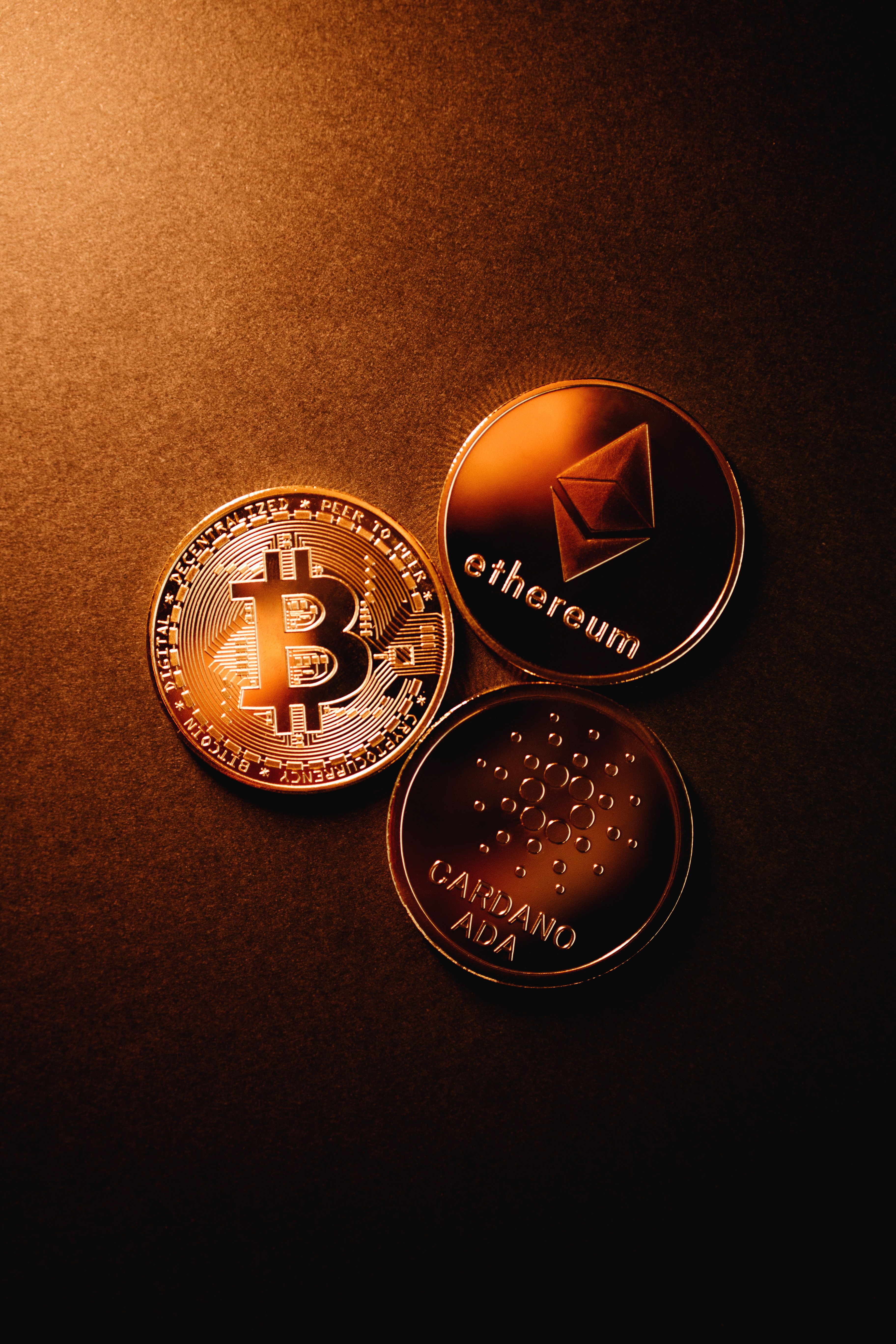
Africa Is Regulating Crypto, and Ghana Is Moving Fast
For years, virtual assets in Africa existed in an awkward space.
People were buying, selling and transferring cryptocurrencies, but regulation often lagged behind adoption. Some countries issued warnings or restrictions, while others began developing licensing systems for crypto businesses.
That is changing.
Across several African markets, regulators are increasingly choosing to bring virtual assets inside formal regulatory frameworks rather than leave the sector largely unsupervised.
Ghana is now part of that shift.
First, what are virtual assets?
The Bank of Ghana defines virtual assets as digital representations of value that can be created, stored and transferred electronically, usually using blockchain or distributed-ledger technology.
They include cryptocurrencies, stablecoins, tokens and other blockchain-based instruments.
They are not the same as traditional currencies issued by central banks.
The appeal is easy to understand: digital assets can support investment, payments and cross-border transfers.
But regulators are also concerned about fraud, cybersecurity, money laundering, price volatility and consumer protection.
Those risks are why the Financial Action Task Force recommends that countries license or register virtual-asset service providers and subject them to anti-money-laundering controls.
Africa is moving towards regulation
There is no single African approach to crypto.
Countries are moving at different speeds.
South Africa
South Africa is one of the continent’s more developed regulated crypto markets.
Crypto Asset Service Providers must obtain authorisation from the Financial Sector Conduct Authority before providing regulated financial services involving crypto assets.
The regulator has already authorised a large number of crypto businesses and publishes information on approved providers through its regulatory system.
Nigeria
Nigeria is also moving towards formal supervision.
Its Securities and Exchange Commission operates an Accelerated Regulatory Incubation Programme, or ARIP, which allows selected virtual-asset businesses to operate under regulatory oversight while they work towards full compliance.
In August 2026, Nigeria’s SEC announced that additional Virtual Asset Service Providers had been admitted to the programme.
Kenya
Kenya is building its own framework too.
The country’s Capital Markets Authority published Virtual Asset Service Providers Regulations 2026, covering the regulation of businesses operating in the digital-asset sector.
The direction is becoming clearer.
Africa is no longer dealing only with the question of whether cryptocurrency should exist.
The bigger question is now:
Who should be allowed to provide virtual-asset services, and under what rules?
Ghana has changed its position
Ghana’s approach has evolved considerably.
The Bank of Ghana had previously warned the public that crypto assets were not legal tender and had instructed regulated financial institutions not to facilitate cryptocurrency transactions.
But adoption continued to grow.
According to the Bank of Ghana’s policy position on virtual assets, Ghana’s virtual-asset ecosystem had grown to more than 3 million users.
A mandatory registration exercise conducted in 2025 also identified more than 100 Virtual Asset Service Providers, including businesses involved in exchanges, wallet services, payments, brokerage and investment advisory.
Ghana then moved from policy discussions to legislation.
The Virtual Asset Service Providers Act, 2025 — Act 1154 now provides the legal foundation for registering, licensing and supervising Virtual Asset Service Providers in the country.
That is a significant shift from Ghana’s earlier cautionary approach.
What exactly is the Bank of Ghana doing?
The Bank of Ghana has established a dedicated Virtual Assets Department.
According to the central bank, the department is responsible for regulating and supervising parts of Ghana’s growing virtual-asset ecosystem and will work with the Securities and Exchange Commission and the Financial Intelligence Centre.
The regulatory framework covers businesses such as:
- virtual-asset wallets
- exchanges and trading platforms
- stablecoin issuers
- virtual-asset lending and borrowing businesses
- asset-tokenisation services
- virtual-asset dealers
The Bank of Ghana says providers will also have to comply with anti-money-laundering, cybersecurity, disclosure and reporting requirements.
Ghana is testing crypto businesses before full licensing
The Securities and Exchange Commission is also using a regulatory sandbox.
In 2026, selected Virtual Asset Service Providers were admitted into a supervised programme where their products and business models could be tested under regulatory oversight.
The SEC later published a broader list of virtual-asset sandbox participants, covering activities including crypto exchanges, brokerage, tokenisation and trading platforms.
The idea is simple: regulators can observe how these businesses operate before moving them into full activity-based licensing.
But crypto is still not the same as the cedi
This distinction matters.
Regulating virtual assets does not mean Bitcoin, stablecoins or other cryptocurrencies have become Ghana’s official currency.
The cedi remains Ghana’s legal tender.
What has changed is that businesses operating with virtual assets are increasingly being brought into a formal regulatory system.
The Bank of Ghana and SEC are already enforcing parts of that framework.
For example, in February 2026, regulators issued a public notice on unauthorised advertising of virtual assets and stablecoin products.
Why this matters
The bigger story is not that African governments have suddenly “embraced crypto.”
It is that regulators increasingly recognise that the sector cannot simply remain outside financial oversight.
The Financial Action Task Force’s 2026 review found that more jurisdictions globally are putting virtual-asset rules in place, although significant gaps remain in licensing, supervision and enforcement.
Africa is dealing with that same balancing act.
Governments want to allow innovation in blockchain, tokenisation and digital finance.
But they also want to know who is operating these services, how customers are protected and how money moves through the system.
Ghana’s next challenge
Passing the law was only the beginning.
The real test is enforcement.
Can customers easily identify a regulated crypto platform?
Can authorities deal with businesses operating without authorisation?
How will stablecoins and cross-border transactions be supervised?
And can regulation keep pace with technology that operates across national borders?
Those questions will determine what Ghana’s virtual-asset market looks like next.
The era of crypto operating largely outside Ghana’s financial regulatory system is ending.
What comes next is not simply a ban or an endorsement. It is regulation.
Writer at TechNews.


Comments 0
No comments yet — start the conversation.