Ghana’s mobile money industry has grown far beyond its original role of sending and receiving money. Today, it is an important part of how people pay for goods, run businesses, and participate in the digital economy. But as adoption continues to grow, a bigger question is emerging: how can this digital financial infrastructure help Ghanaians build stronger businesses and improve their financial well-being?
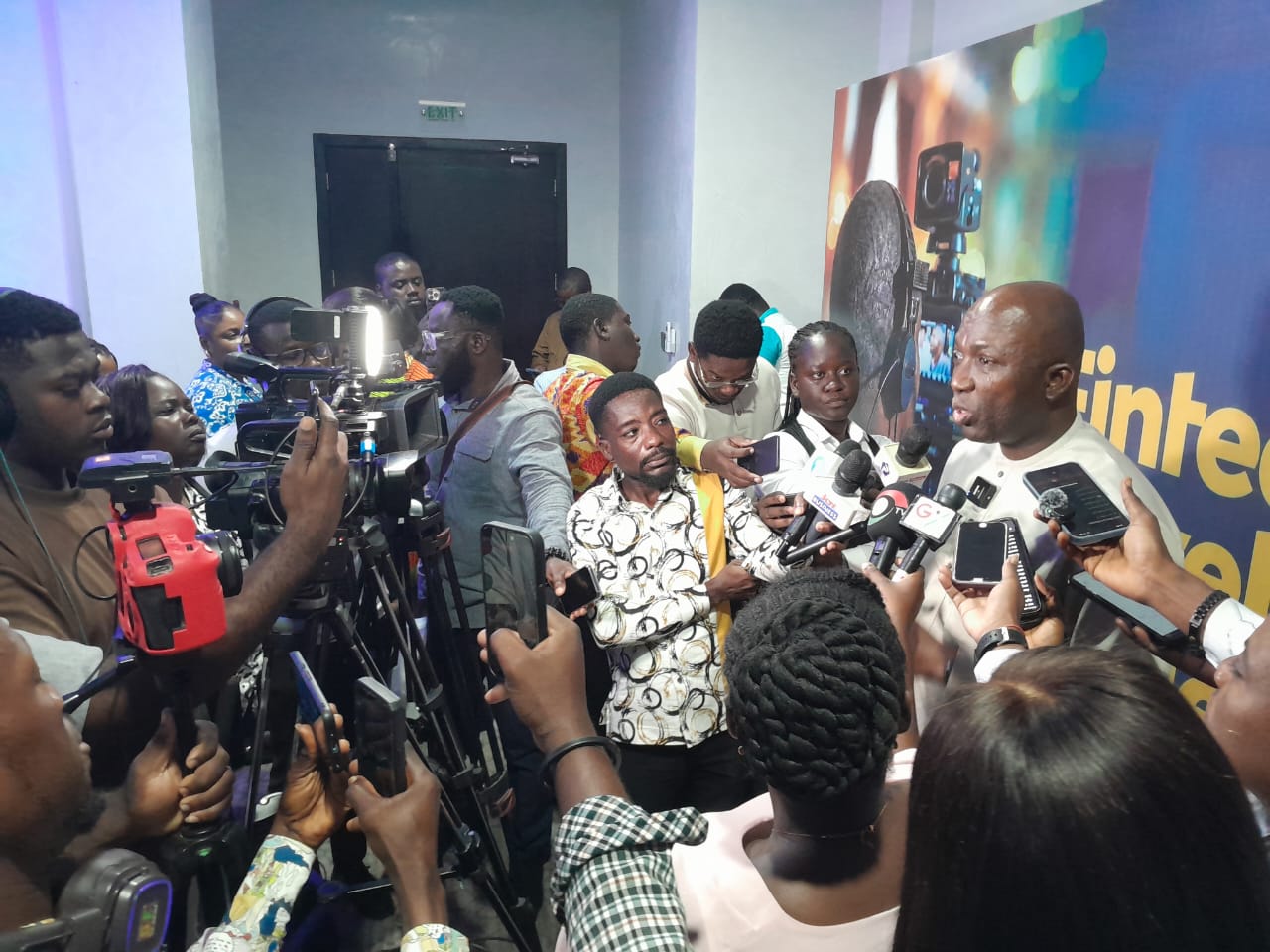
This was one of the key conversations at the second edition of the MobileMoney Fintech Limited (MMFL) Media Development Series, held in Accra, where journalists and editors engaged with developments shaping Ghana’s digital financial ecosystem.
At the event, MMFL Chief Executive Officer Shaibu Haruna outlined the company's plans to expand digital lending, strengthen merchant payments, improve customer experience, and deepen financial inclusion. His message pointed to a new phase for mobile money, one focused not only on moving money but also on creating opportunities for individuals and businesses to grow.
From Mobile Money Transactions to Business Opportunities
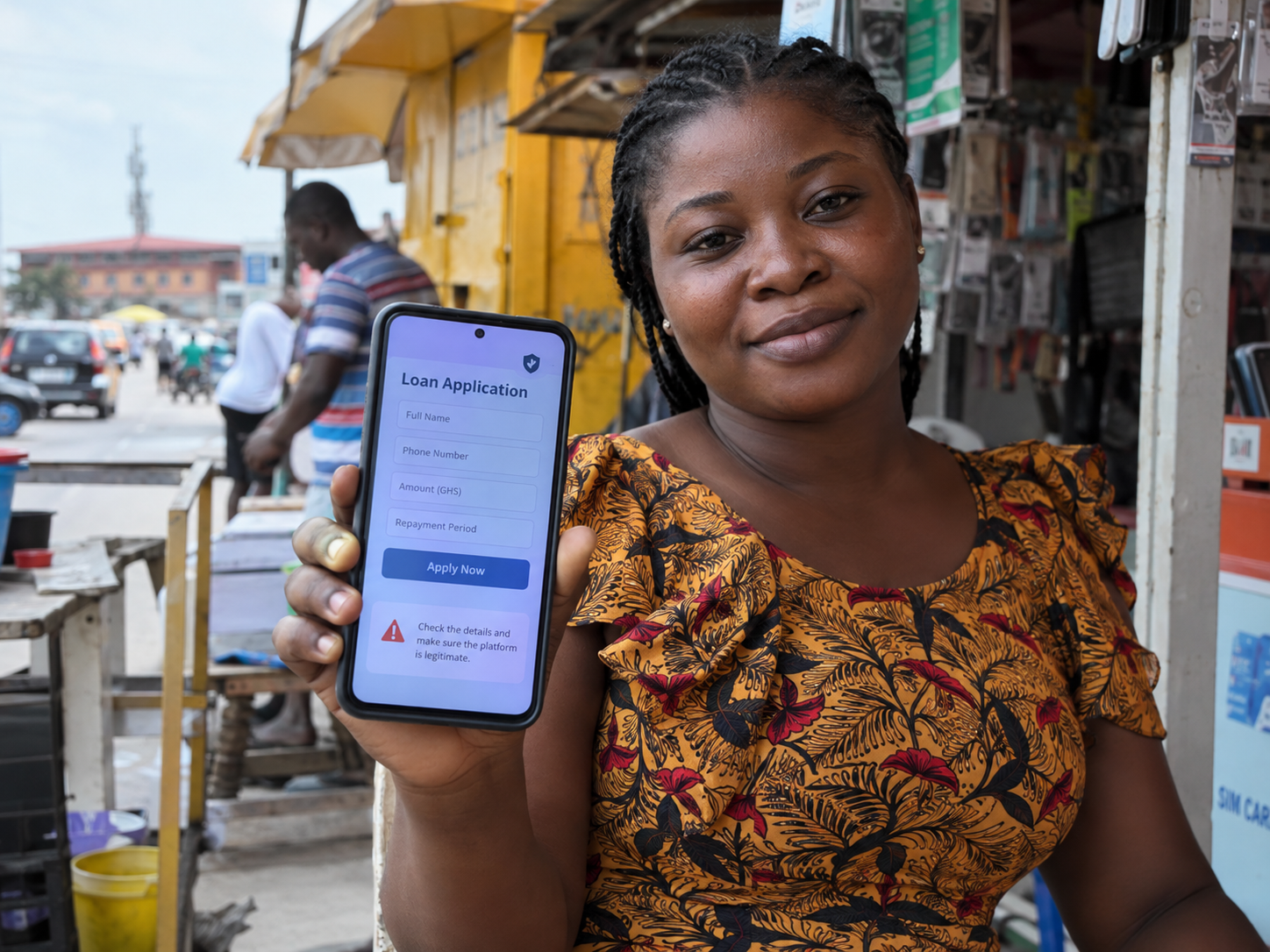
One of the major announcements was MMFL’s intention to expand lending opportunities for individuals and businesses, including agents and merchants.
For many small businesses in Ghana, access to working capital remains a challenge. A trader may have regular customers and consistent sales but still struggle to secure a loan because they lack traditional collateral or the financial records required by conventional lenders.
Digital financial services could help bridge this gap.
According to Haruna, transaction histories and payment patterns can provide useful information for assessing a customer’s financial activity and potential ability to repay a loan. This could create new opportunities for traders and micro, small and medium-sized enterprises (MSMEs) that have traditionally been underserved by formal financial institutions.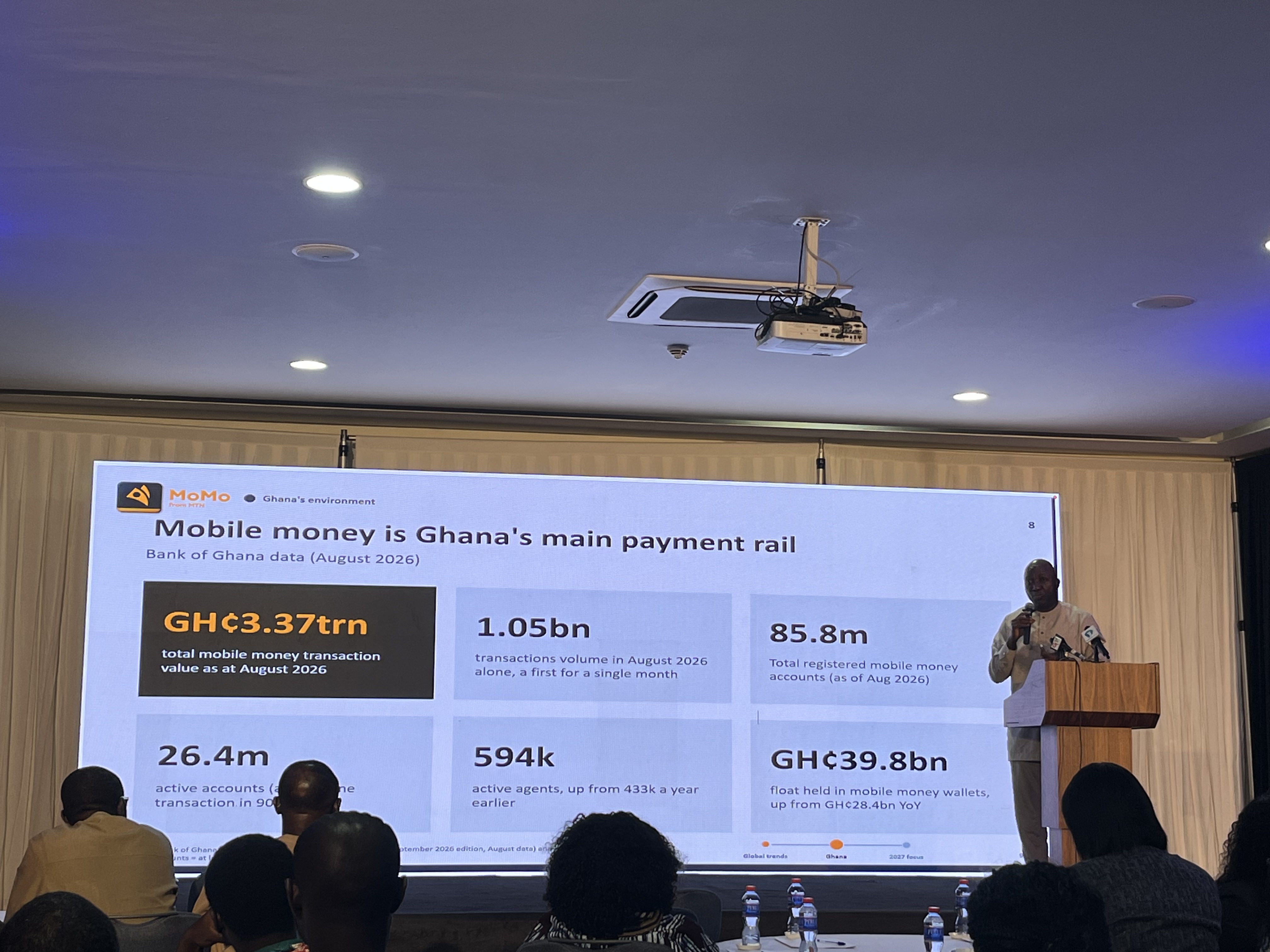
Imagine a small shop owner who receives payments through MoMo every day. Over time, those transactions can help establish a clearer picture of the business's activities. With appropriate assessment, that information could support access to financing for restocking, expanding operations, or meeting other business needs.
However, transaction records alone do not guarantee loan approval. Responsible lending, affordable interest rates, clear repayment terms, and proper customer education will be essential to making digital credit beneficial.
The bigger opportunity is to help businesses move beyond daily survival towards sustainable growth.
26 Million Transactions Every Day: The Scale of Ghana’s MoMo Economy
The scale of mobile money adoption in Ghana makes this ambition particularly significant.
During the event, Haruna disclosed that MMFL processes more than 26 million transactions daily. He also noted that Ghana’s mobile money industry processed more than GH¢4 trillion in transaction value in 2025.
These figures demonstrate how deeply digital payments have become integrated into everyday economic activity, from individual transfers to business transactions and payments involving merchants, agents, and financial institutions.
It is important to understand that the GH¢4 trillion figure represents the movement of money across the ecosystem, not revenue earned by mobile money providers.
Data from the Bank of Ghana also highlighted the industry's continued growth. In August 2026, mobile money transaction values reached GH¢518.8 billion, compared with GH¢354.1 billion in August 2025. Transaction volumes exceeded one billion in a single month for the first time, reaching approximately 1.046 billion, according to the figures reported at the time.
But beyond the numbers, the important question is what this level of activity can make possible.
If digital payments can help businesses build reliable transaction histories, access appropriate financial products, and manage their money more effectively, mobile money could become an even more important tool for economic participation.
The challenge is to turn the scale of digital transactions into meaningful financial outcomes.
Helping Informal Businesses Become More Sustainable
Another important issue discussed at the event was the difficulty many small businesses face when managing personal and business finances.
Across Ghana, some traders use the same mobile money wallet for household expenses and commercial transactions. Although this may be convenient, it can make it difficult to understand how much a business earns, what it spends, and whether it can comfortably repay a loan.
Separating personal and business finances can help entrepreneurs develop better financial habits and build a clearer record of their operations.
MMFL plans to work with banks, fintech companies, and other partners to develop solutions that support merchants and help them progress towards more structured business operations.
For a small business, this could mean having a clearer view of cash flow, building a stronger financial profile, and becoming better positioned to seek financing when the opportunity arises.
The objective should not simply be to provide more loans. It should be to help businesses use financial services in ways that improve their long-term stability.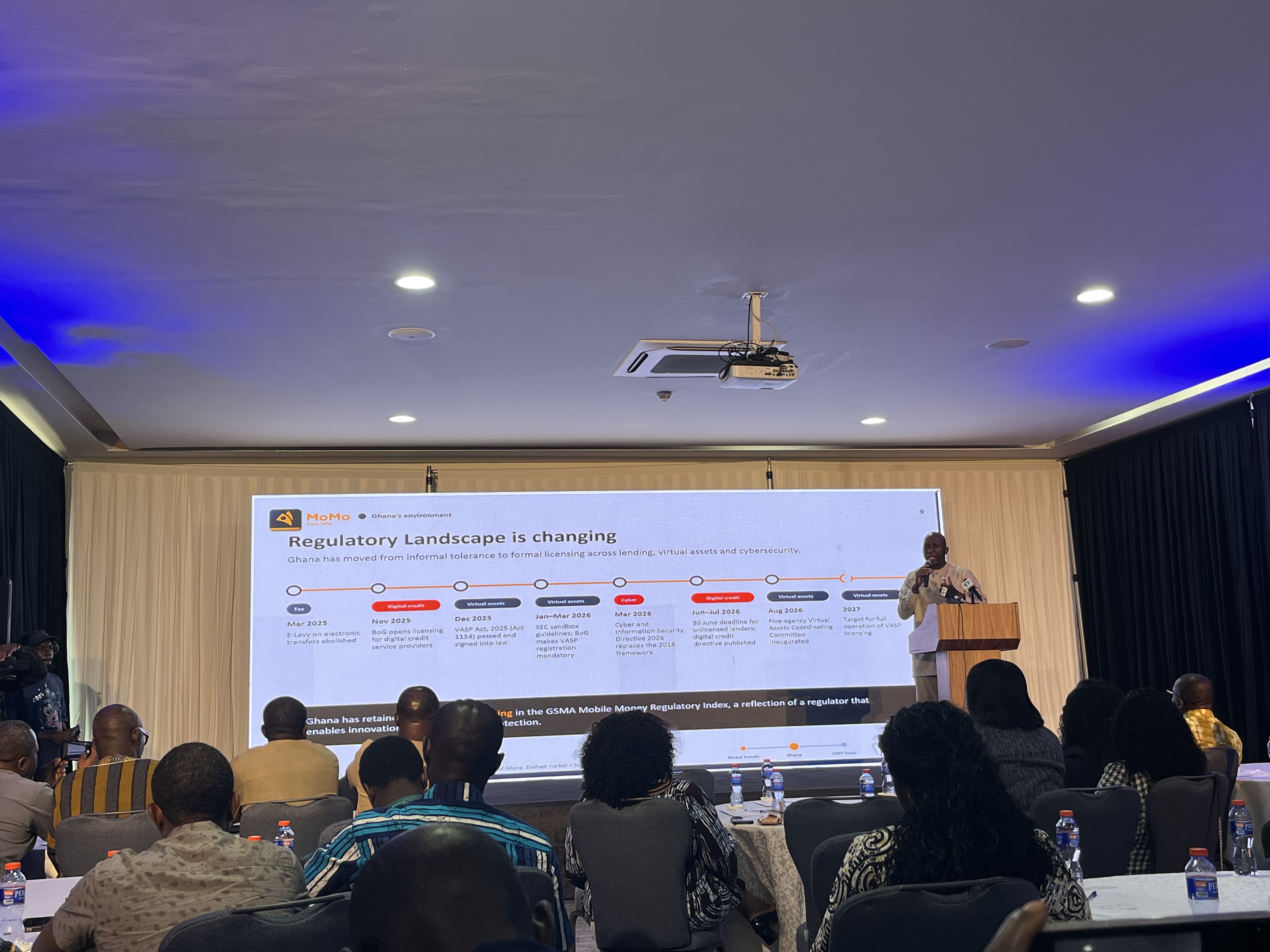
Digital Finance Must Be Built on Trust and Security
As more people depend on mobile money, protecting their funds and personal information becomes increasingly important.
At the event, Haruna highlighted the growing sophistication of digital fraud, noting that threats now extend beyond financial platforms to social media, messaging applications, and online marketplaces.
Fraud can undermine trust in digital financial services. When customers fear losing their money, they may become reluctant to use services that could otherwise make payments and financial transactions more accessible.
MMFL says it continues to invest in technology, transaction monitoring, fraud detection, and customer education to strengthen its security systems.
The company is also exploring how artificial intelligence (AI) can support customer service and identify suspicious transaction patterns. While AI offers new ways to detect potential threats, it can also be misused by criminals, making continued investment in security and collaboration across the industry necessary.
Haruna further emphasised the importance of customers adopting safe digital practices and learning how to recognise suspicious requests and fraudulent online activities.
For a digital financial ecosystem handling millions of transactions daily, security cannot be treated as an afterthought. It must remain central to the customer experience.
The MoMo App and the Future of Digital Financial Services
Improving the customer experience is another part of MMFL’s plans.
Haruna outlined the company’s intention to strengthen the MoMo app, making it easier for customers, agents, and merchants to access services. A more integrated digital experience could simplify transactions and provide a convenient way to access a wider range of financial products.
He noted that approximately 70% of MMFL agents have smartphones, creating opportunities to expand app-based services. However, he also indicated that USSD services would remain available for customers who depend on them.
Maintaining different access channels matters because not every customer has the same device, internet access, or level of digital experience.
The wider opportunity extends beyond payments. MMFL is exploring how digital services could connect customers with products such as savings, insurance, and investments through everyday financial activities.
Such developments could make financial products more accessible, provided they are transparent, affordable, secure, and supported by appropriate regulation.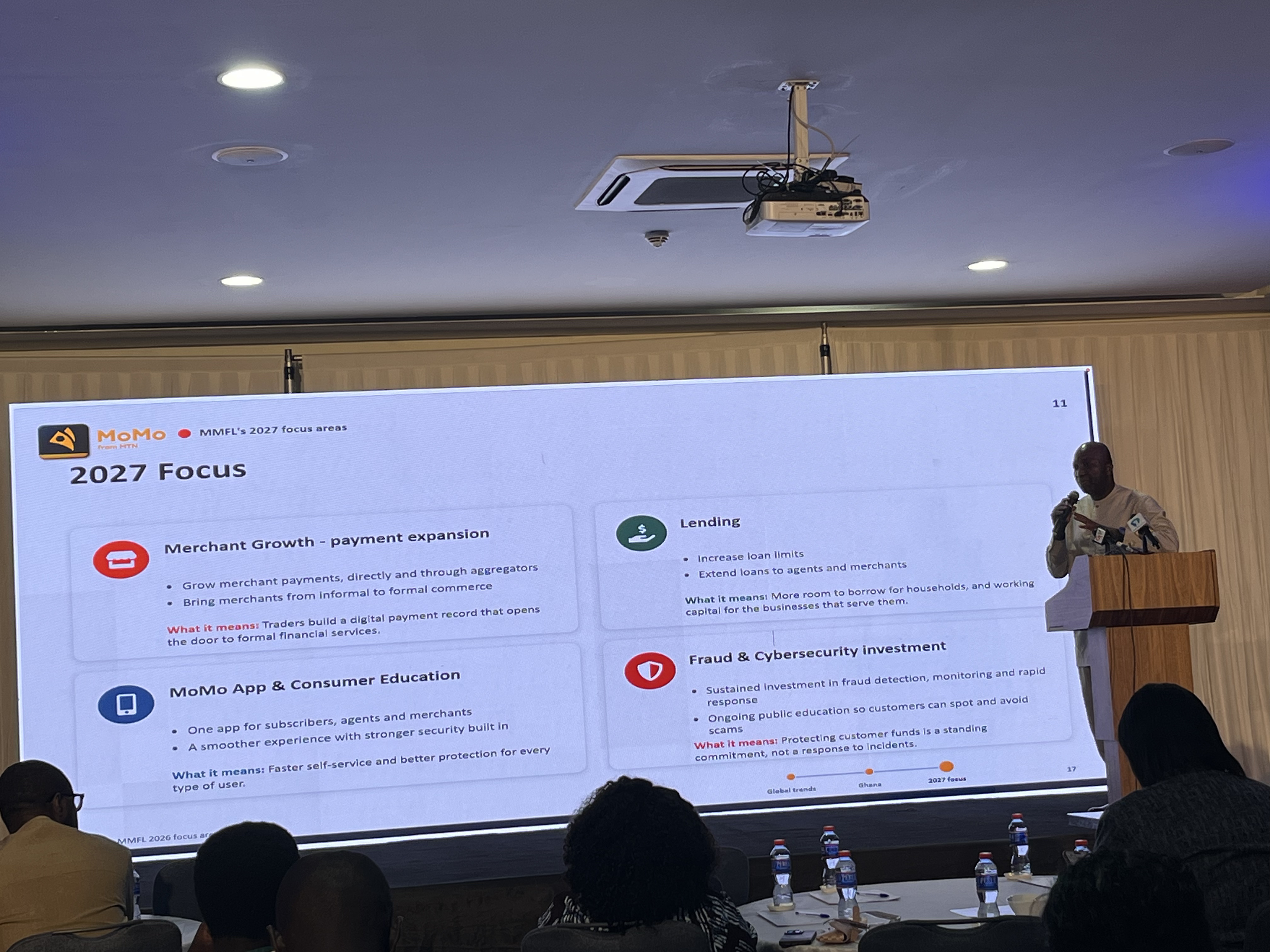
Financial Inclusion Must Reach the People Who Need It Most
A recurring theme throughout the discussion was the need to extend the benefits of digital finance to people who remain underserved.
Women entrepreneurs, informal traders, and individuals who lack the identification or documentation required by traditional financial institutions can face additional barriers to accessing formal financial services.
Digital technology can help reduce some of these barriers, but technology alone will not solve every problem.
Financial service providers must design products around the realities of their customers. This includes considering irregular incomes, unexpected household expenses, limited financial knowledge, and the risks associated with borrowing.
Greater interoperability between payment systems and improved connections between financial institutions could also support access to services and make cross-border transactions easier for businesses operating across African markets.
For Ghanaian businesses looking beyond the local market, a more connected African payments ecosystem could create additional opportunities for trade and commerce.
What This Means for Ghana’s Tech and Startup Ecosystem
For Ghana’s technology ecosystem, the developments discussed at the MMFL Media Development Series highlight opportunities beyond mobile money itself.
Fintech startups can explore tools that help merchants manage their finances, understand cash flow, access relevant financial products, and maintain better business records. AI developers can contribute to fraud detection and customer support, while other technology companies can develop solutions that make digital services easier to access and use.
There is also an opportunity for collaboration between financial institutions, startups, regulators, and technology communities.
However, innovation must be matched with responsible product design. Access to credit is useful only when customers understand the terms and can manage repayment. Digital services are valuable only when people can trust the systems supporting them.
The next phase of fintech development in Ghana will therefore require more than new apps and higher transaction volumes. It will require solutions that address real problems faced by individuals and businesses.
The Bigger Picture: Moving from Access to Impact
Attending the MMFL Media Development Series offered an opportunity to examine an important question facing Ghana’s digital economy: what comes after widespread access to mobile money?
The industry has already demonstrated that digital financial services can become part of everyday life. The next challenge is to ensure that this access translates into stronger businesses, better financial management, more inclusive lending, and improved economic opportunities.
MMFL’s plans to expand digital lending and merchant services point towards that possibility. But the impact will ultimately depend on how these products are implemented, how customers are protected, and whether the services genuinely meet the needs of the people they are designed to support.
For Ghana’s informal businesses, digital finance could become an important tool for growth. For the wider tech ecosystem, it presents opportunities to build practical solutions that address real economic challenges.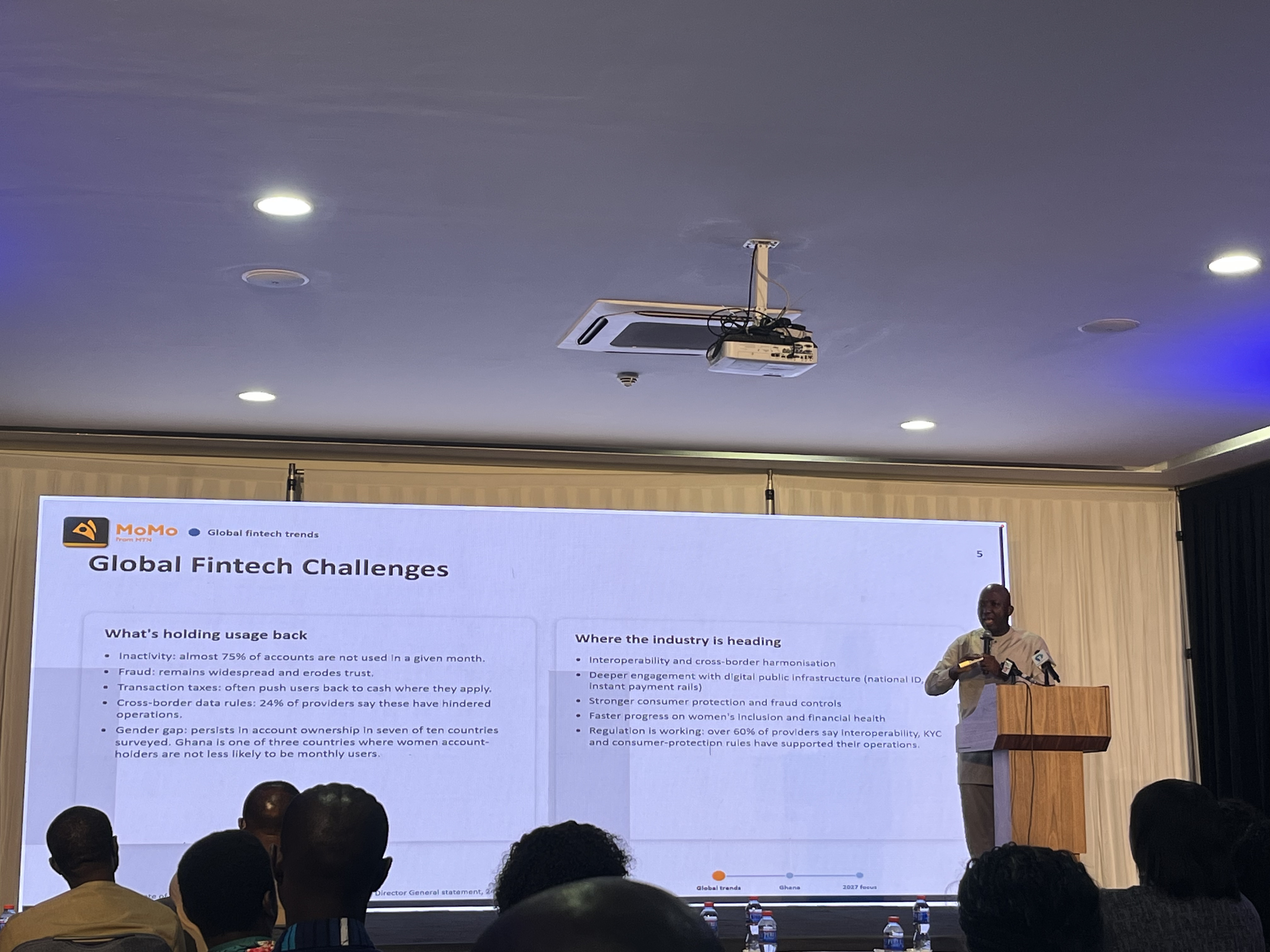
The future of mobile money should not be measured only by how much money moves through the system, but by how much value that movement creates for the people and businesses behind every transaction.
This article was developed by Kweku Tech following the MMFL Media Development Series in Accra, drawing on the event's discussions and published reporting on the company's digital finance strategy.
Writer at TechNews.


Comments 0
No comments yet — start the conversation.