One Vecta Africa AI Week 2026: From Vision to Execution
For five days, Accra became a meeting point for people building, funding, governing, researching and using artificial intelligence across Africa.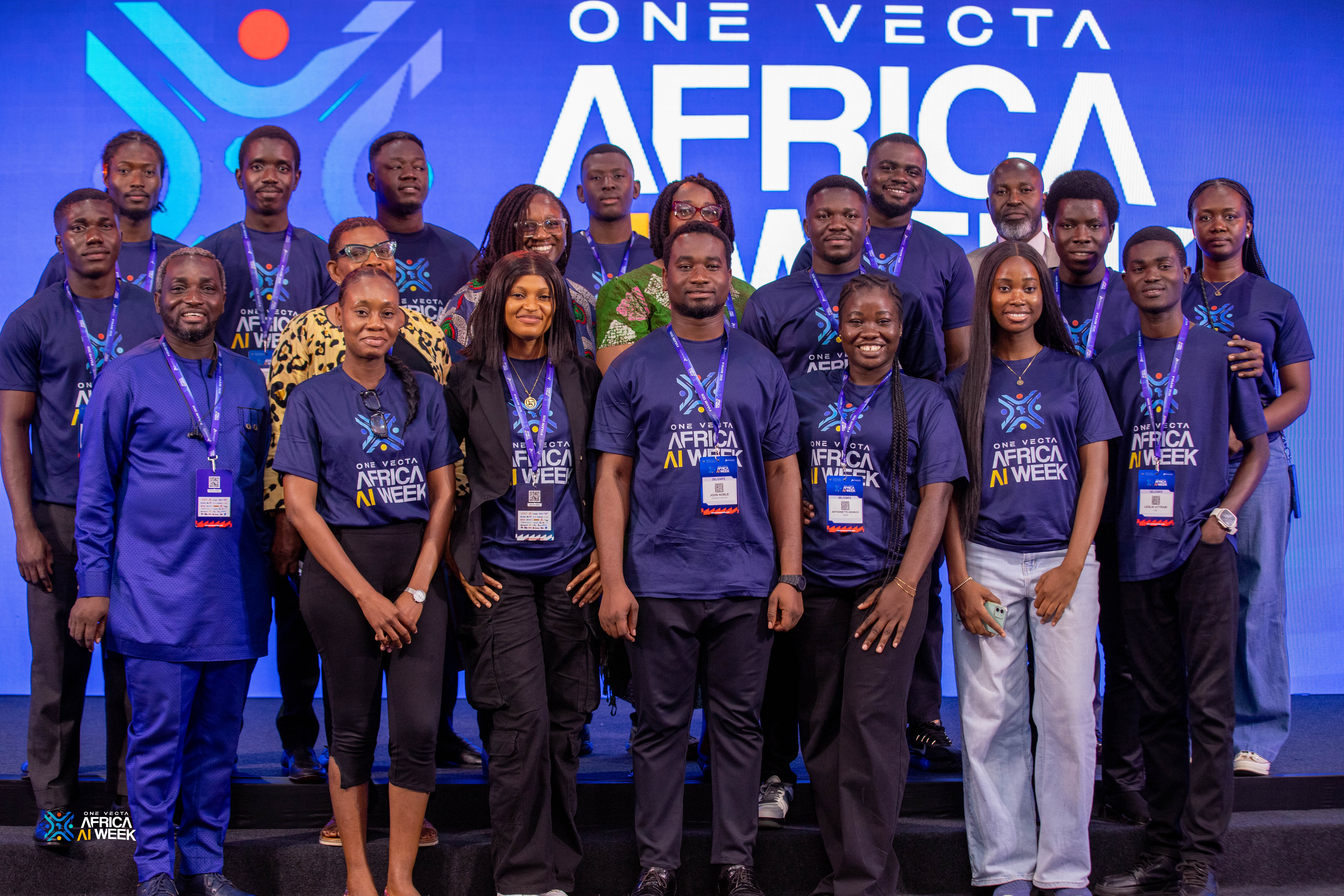
From developers and startup founders to investors, policymakers, researchers, students, business leaders and technology enthusiasts, One Vecta Africa AI Week 2026 brought together different parts of the African technology ecosystem around one important question:
How does Africa move from talking about AI to actually building and deploying it?
Organised by AlphaVecta Technologies, the week was built around the theme “From Vision to Execution: Building Practical AI Systems to Power Growth, Innovation and Productivity Across Africa.” The event was endorsed by Ghana’s Ministry of Communication, Digital Technology and Innovations and positioned as a platform for practical conversations around AI adoption, investment, policy, innovation and implementation.
From the conversations on stage to the builders working behind the scenes, the week offered a look at where Ghana and the wider African AI ecosystem are heading.
A week built around execution
Artificial intelligence has become one of the biggest technology conversations in the world.
But at One Vecta Africa AI Week, the focus was not simply on the latest AI models or predictions about the future.
The bigger question was what happens when the conversation moves from possibility to implementation.
How can businesses use AI to become more productive?
How can governments use it to improve public services?
How can startups build solutions for African markets?
How can universities and training institutions prepare people for the changing world of work?
And how can Africa make sure that it is not only consuming AI technologies built elsewhere but also building its own?
Those questions shaped much of the week.
The Minister's message: AI must create opportunity.
One of the major moments of the week came from Hon. Samuel Nartey George, Ghana's Minister for Communication, Digital Technology and Innovations, who opened the Africa AI Forum.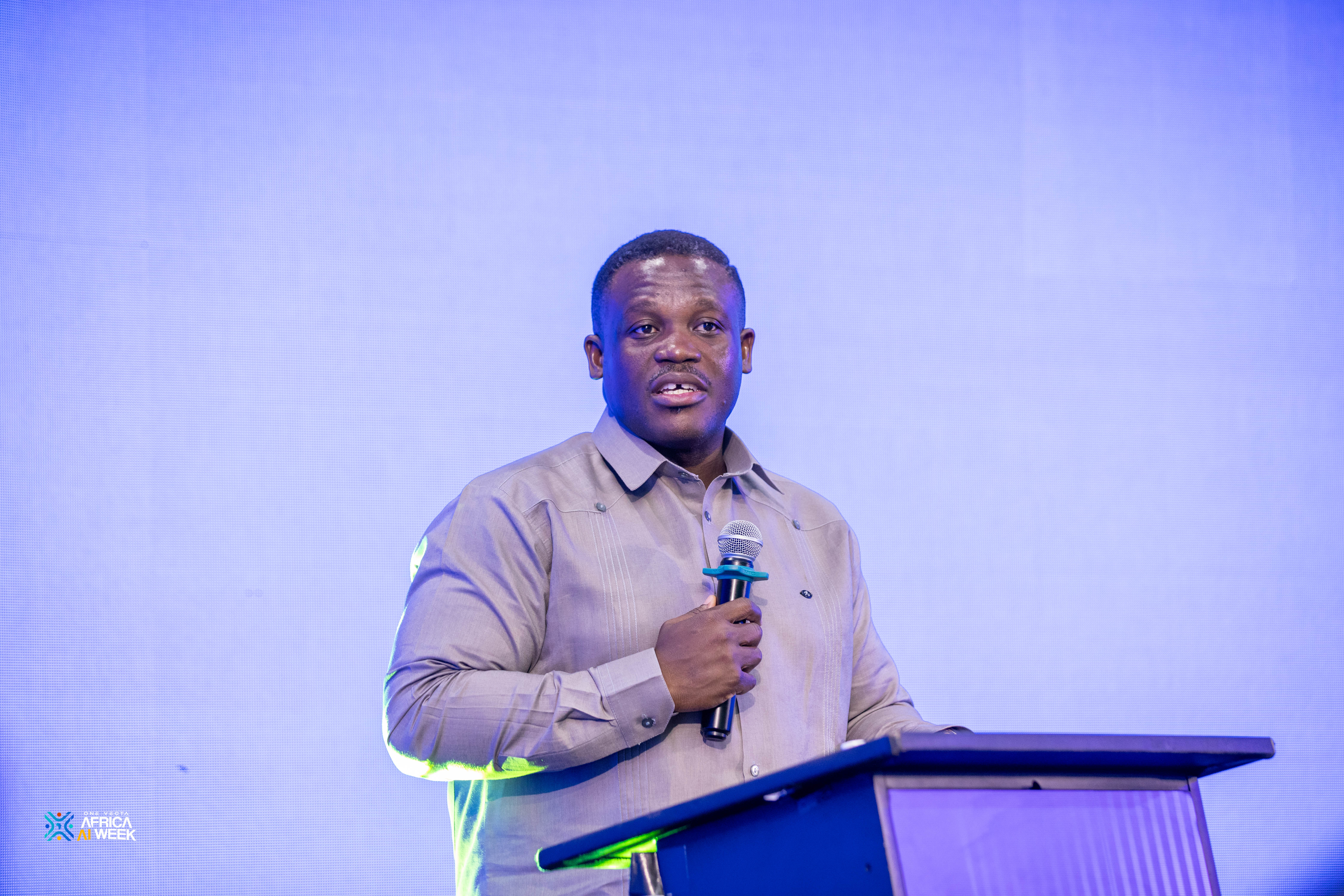
His message was closely aligned with the theme of the event: Africa needs to move beyond talking about artificial intelligence and start focusing on practical implementation.
The Minister challenged companies, universities and other institutions to think beyond AI training and focus on creating real opportunities for people who are being trained.
One of the strongest points from his address was that training without opportunity is not enough.
People can be trained in AI, but if they do not have opportunities to apply those skills, gain employment, build products or participate in the economy, the training alone will not create the impact Africa needs.
He called on companies to hire from Ghana's growing technology talent pipeline, encouraged stronger partnerships between industry and universities and technical institutions, and urged businesses to support local AI solutions that meet the necessary standards.
The minister also stressed that AI should not simply be viewed as a technology that replaces people.
Instead, it should be used to increase human productivity and effectiveness.
As he put it during the forum, “AI is not meant to replace the human beings. It's meant to move us to a higher level of functionality and effectiveness.”
That distinction is important as organisations across Africa begin adopting AI.
The goal should not simply be to automate everything possible.
The bigger goal should be to identify where AI can help people work better, make better decisions, deliver services more efficiently and solve problems that have traditionally been difficult or expensive to address.
The Minister also highlighted the importance of trust, regulation, local capacity and standards as AI adoption expands.
Government, he noted, is already working on AI capacity within the public sector and developing standards around the use of AI in sensitive areas such as healthcare, education, finance and public services.
This brought an important government perspective to the conversations happening throughout the week.
Ghana's opportunity in the African AI ecosystem
The Minister's participation also reflected Ghana's broader ambitions around digital transformation and artificial intelligence.
Earlier in the year, the Ministry had engaged AlphaVecta Technologies around One Vecta and Ghana's role in advancing AI and digital infrastructure.
Those discussions included Ghana's plans to strengthen AI infrastructure and its wider ambition to play a stronger role in Africa's digital transformation.
This made One Vecta more than just a technology conference.
It became a place where government priorities, private-sector interests, startup innovation and developer communities could meet.
And that collaboration is increasingly important.
Government can provide policy and infrastructure.
Businesses can identify problems that need solving.
Developers and researchers can build the technology.
Investors can provide capital.
Universities can develop talent.
Events such as One Vecta can bring all these groups into the same room.
AI is becoming an industry-wide conversation.
Another thing that stood out throughout the week was how broad the AI conversation has become.
AI is no longer something that belongs only to software engineers and machine-learning researchers.
It is increasingly affecting healthcare, education, finance, telecommunications, government, communications, entrepreneurship, agriculture and almost every other major sector.
That was reflected in the people who participated in the event.
Founders spoke about building companies around AI.
Developers discussed technology and implementation.
Businesses explored practical use cases.
Policymakers discussed regulation and infrastructure.
Students and young professionals looked at what the changing technology landscape means for their careers.
Researchers considered the opportunities and challenges ahead.
The diversity of these conversations matters because AI will ultimately affect people far beyond the technology industry.
AI in Action
One of the most important parts of One Vecta Africa AI Week was the focus on AI in Action.
Rather than keeping the conversation at the level of theory, the event highlighted examples of how artificial intelligence is already being applied to real problems.
Healthcare, telecommunications and education were among the areas where practical AI applications were demonstrated.
The broader message was clear:
The value of AI is not simply in how advanced the technology is.
The real value comes from what it allows people and organisations to accomplish.
An AI system that helps a healthcare provider work more efficiently, enables a business to serve customers better or helps a student learn more effectively can potentially have far more impact than a flashy demonstration that has no clear use case.
This practical approach was one of the strongest themes running throughout the week.
The conversation around responsible AI
But building AI systems is only one part of the equation.
The event also created space for conversations around responsible AI, governance, trust and regulation.
As more organisations begin using AI to handle data, interact with customers and support important decisions, questions around privacy, security, accountability and human oversight become increasingly important.
This is particularly relevant in areas such as healthcare, finance, education and public services, where mistakes or poorly designed systems can have serious consequences.
The challenge for Africa is therefore not simply to adopt AI quickly.
It is to adopt it responsibly.
That means developing the right policies, building local expertise, protecting data and ensuring that systems being deployed are appropriate for the communities they are intended to serve.
More than what happened on stage
Of course, One Vecta Africa AI Week was about more than keynote speeches and panel discussions.
Some of the most valuable moments happened away from the stage.
Founders met potential partners.
Developers exchanged ideas.
Students connected with professionals.
Investors discovered new projects.
Businesses explored possible AI applications.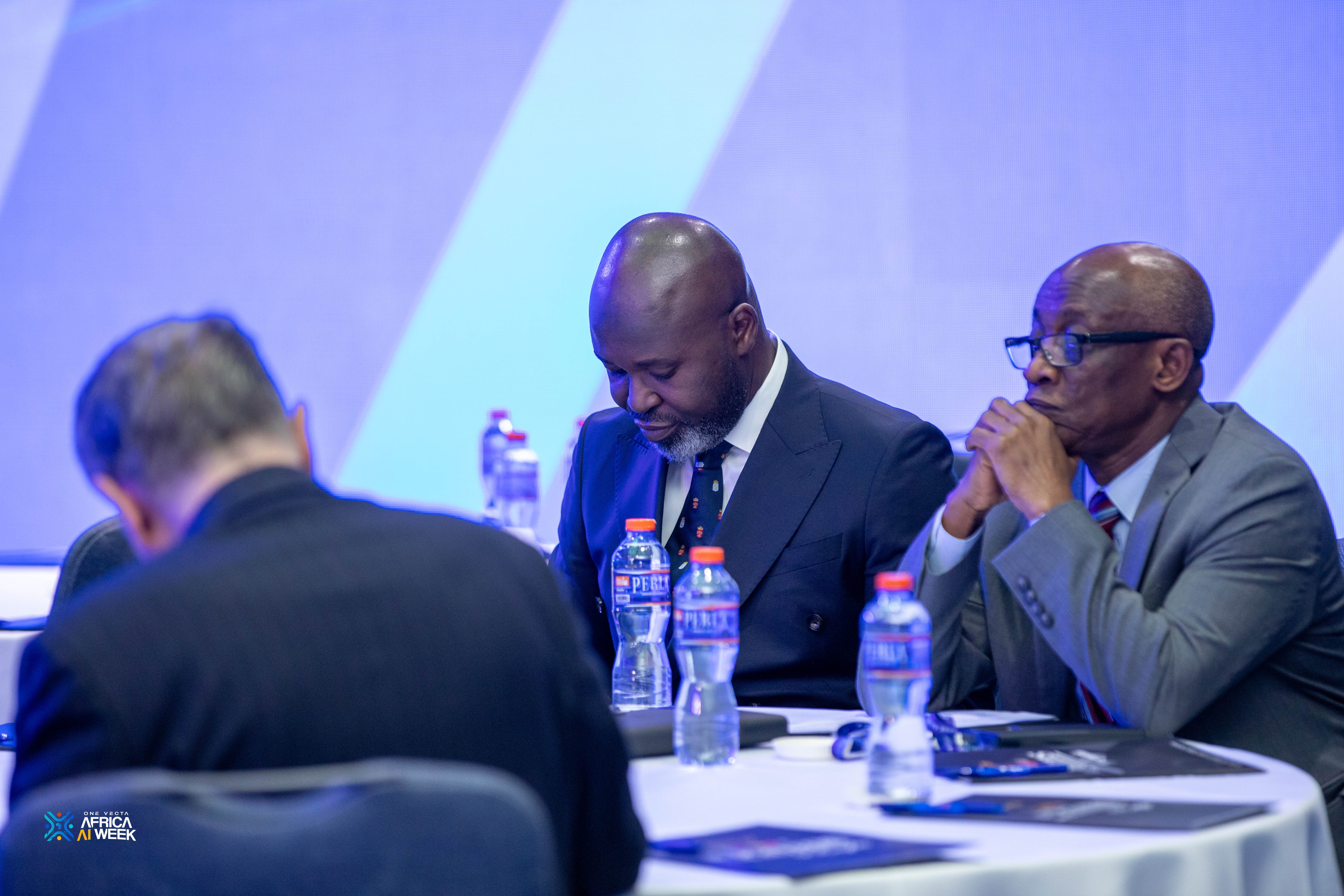
People from different parts of the ecosystem who may never have met otherwise had the opportunity to start conversations.
That is one of the most important roles technology events can play.
The value of an event is not always found in the presentation itself.
Sometimes it is the conversation that happens after the presentation.
Sometimes it is the person you meet during a break.
And sometimes it is the collaboration that begins because two people happened to be in the same room.
From conversations to building
This is where the Execute Africa AI Challenge became particularly important.
While the main forum brought together people to discuss the future of AI, the challenge gave builders the opportunity to actually create.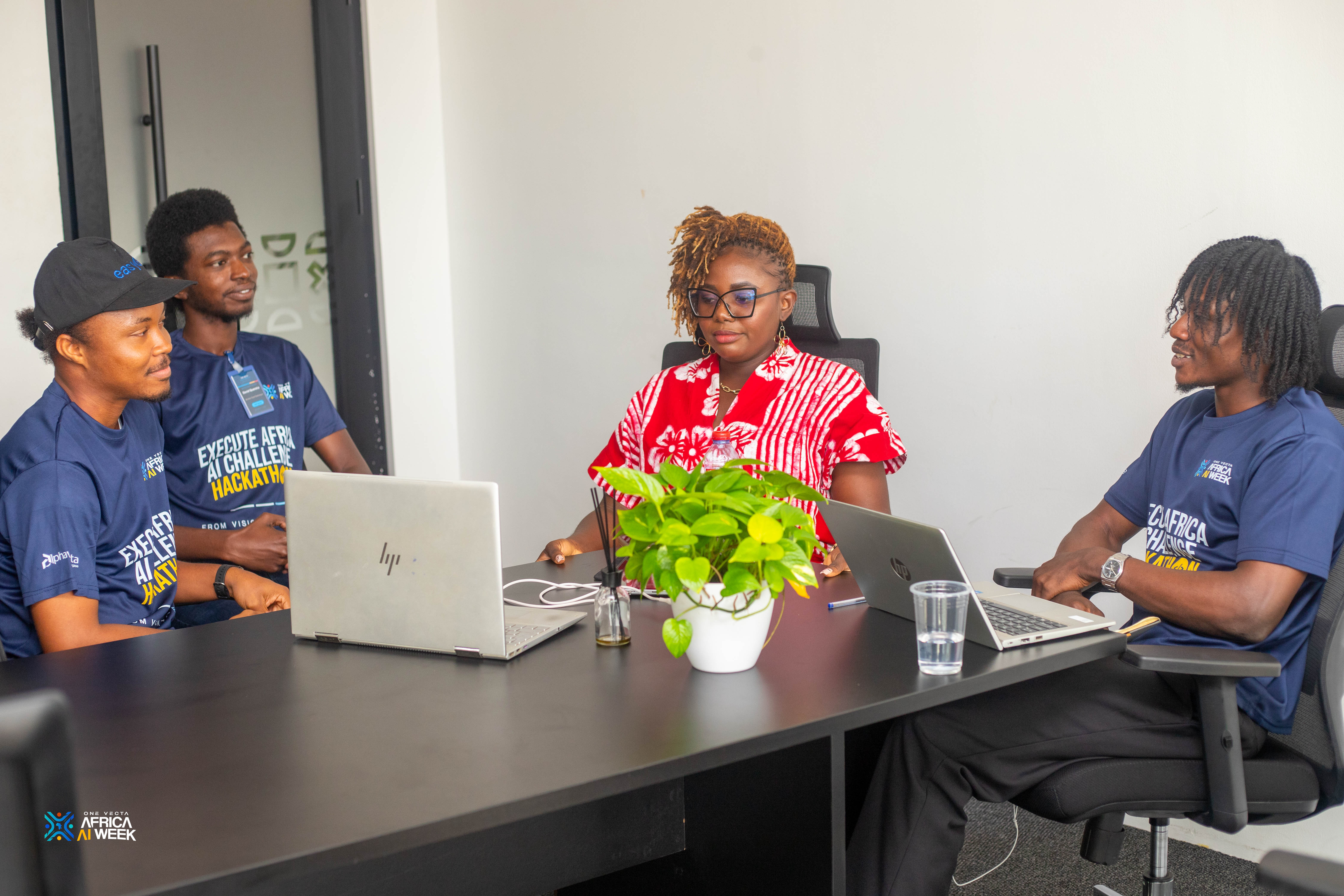
Teams were given the space to develop, test, refine and pitch AI-powered solutions designed around real problems.
The goal was not simply to produce something that looked impressive during a demonstration.
Teams had to think about whether their solutions could be useful, sustainable and capable of going beyond the hackathon.
After two days of building and testing, 16 teams made it to the demo showcase.
The teams presented their solutions across five judging stations, with 10 judges bringing expertise across technology, business and AI.
The teams were challenged on their solutions, their understanding of the problems they were addressing, the strength of their products and their potential for real-world impact.
The result was a group of five finalists: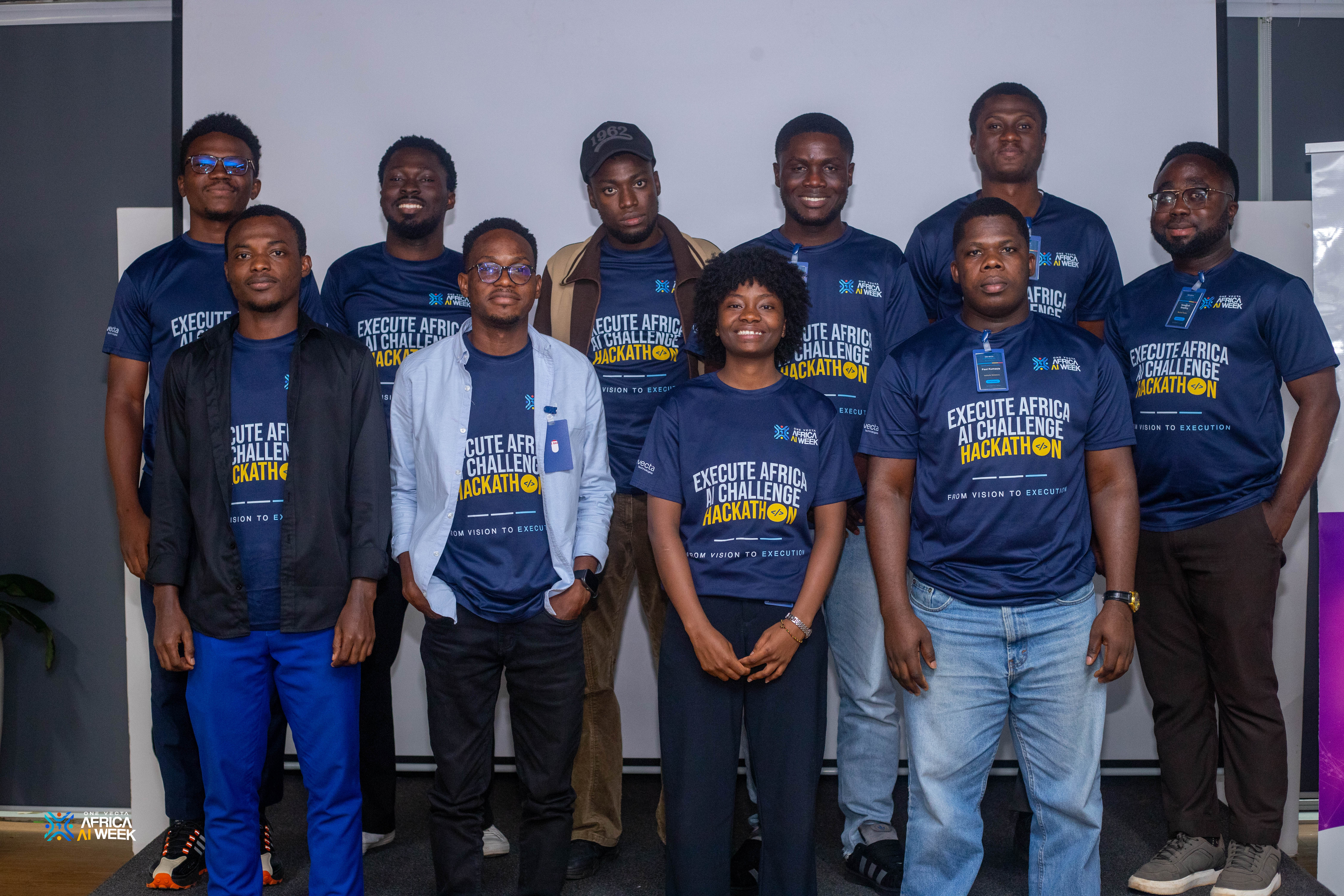
Qlerqly, Afriklang (MEST 26), Merdeo Foods, Aethelis Solutions and Team Veil.
Each team had a different approach to using technology to address real challenges.
But all five had something in common.
They had moved beyond simply talking about AI.
They had built something.
The final showdown
The five finalists returned for the final pitch and closing ceremony, where they had one last opportunity to present their solutions and make their case.
This was arguably the moment where the theme of the entire week came together.
From Vision to Execution.
The teams had started with ideas.
They had built.
They had tested.
They had received feedback.
They had pitched.
And now they had to stand before the judges and demonstrate why their solution deserved to win.
Afriklang takes first place
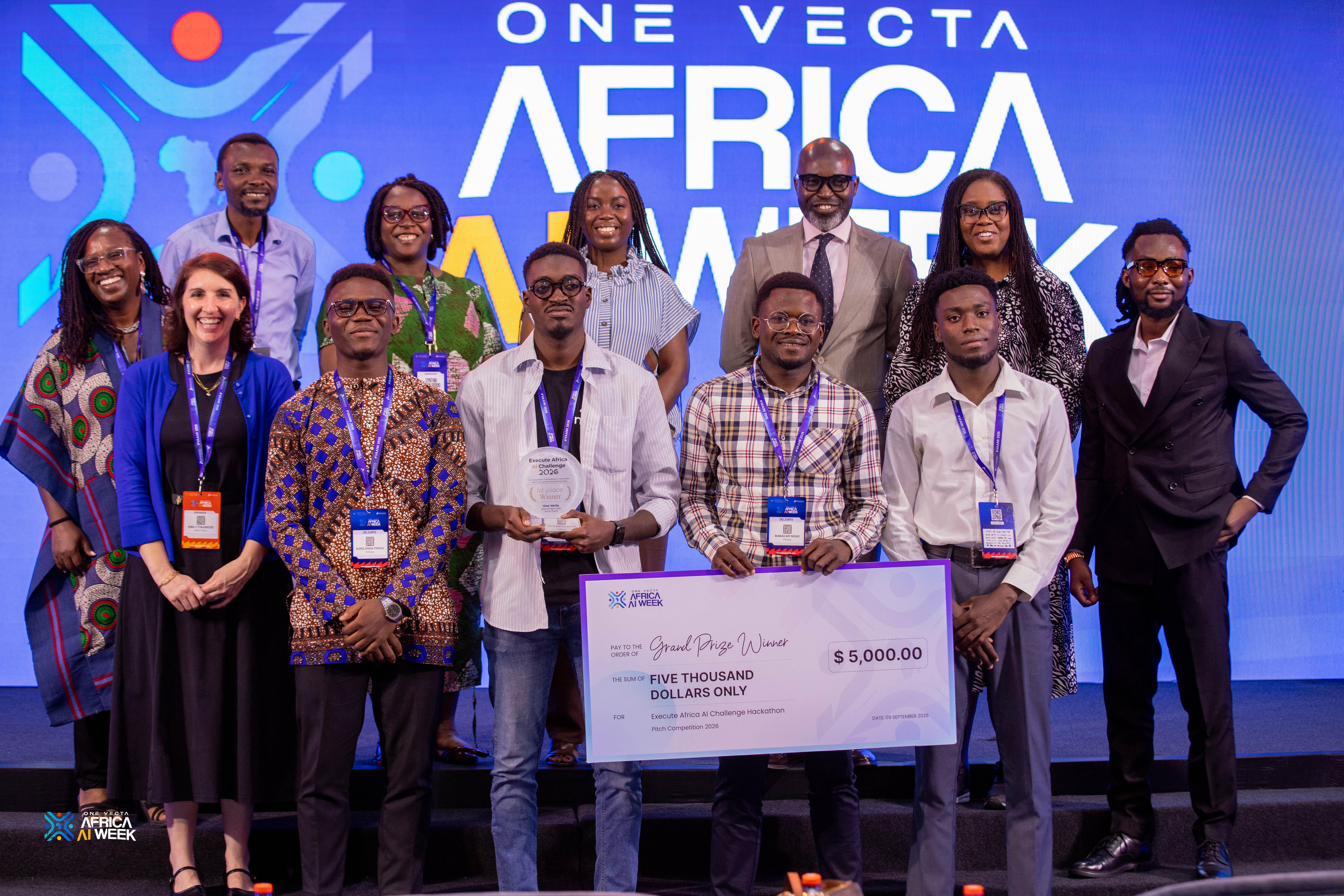
When the final decision was announced, Afriklang (MEST 26) emerged as the first-place winner of the Execute Africa AI Challenge 2026.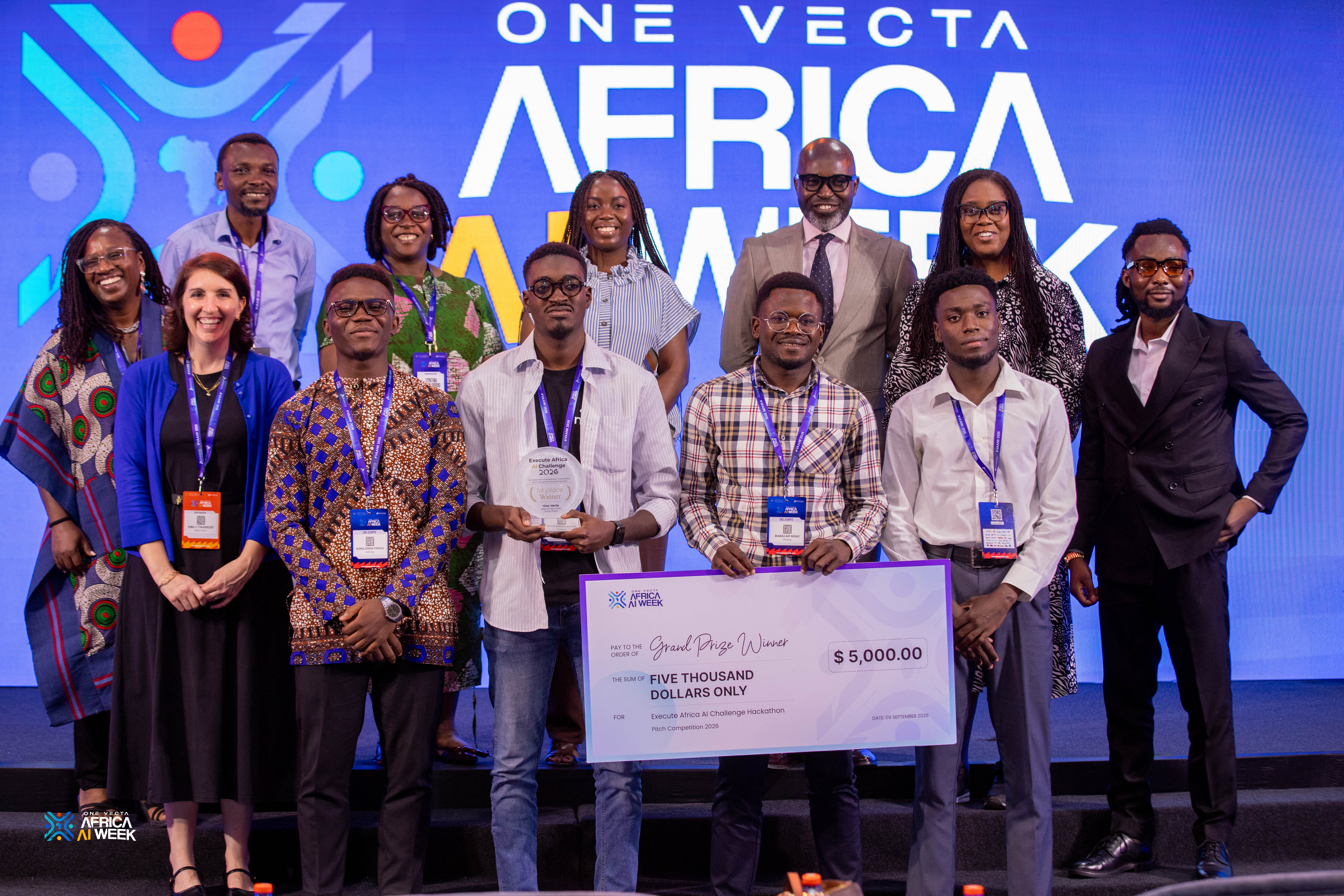
The team developed an AI voice agent for customer service in African languages, beginning with Wolof.
The system is designed to understand and respond to customers, handle routine service requests, connect with enterprise systems and escalate more complex or sensitive cases to human agents.
The team members are Agnilonda Pakou, Fredy Houndayi, Khalifa M. Niamadio and Babacar Ndao.
As the winner, Afriklang received $5,000 in business execution funding, $1,000 in AWS credits, 500 compute credits, 12 months of co-working at ALX Tech Hub, and mentoring support from MEST Africa and Tech Hub Africa.
Their victory was a fitting conclusion to the week.
An African team building technology around an African challenge.
A solution focused on African languages.
And a product designed not simply to demonstrate what AI can do, but to make AI more inclusive and locally relevant.
The bigger takeaway
One Vecta Africa AI Week 2026 ended with a winner, but the bigger story was the ecosystem that came together around the event.
From government and industry to startups, developers, researchers and young builders, the week showed that Africa's AI conversation is becoming more practical.
The question is no longer simply whether Africa is ready for artificial intelligence.
The bigger questions are:
What are we building?
Who are we building it for?
How do we make it useful?
And how do we turn the talent and ideas already on the continent into real economic and social impact?
From our perspective at Kweku Tech, perhaps the biggest takeaway is simple:
The talent is here.
The ideas are here.
The opportunity is here.
Now comes the hard part.
Execution.
The future of African AI will not be built by one company, one government or one event.
It will be built by an ecosystem of people willing to build, test, collaborate, invest, learn and keep going.
And if One Vecta Africa AI Week showed us anything, it is that the shift from vision to execution has already begun.
The conversation continues.
And this time, Africa is not just watching.
Africa is building.
Learn more
Read more about One Vecta Africa AI Week 2026 and the event programme.
Read the official One Vecta Africa AI Week updates.
Learn more about Hon. Samuel Nartey George and his role at the event.
Follow Kweku Tech for more coverage, photos, videos and stories from Africa's technology ecosystem.
For additional reporting on the forum, see Business & Financial Times' coverage of One Vecta Africa AI Week.
Writer at TechNews.

Comments 0
No comments yet — start the conversation.